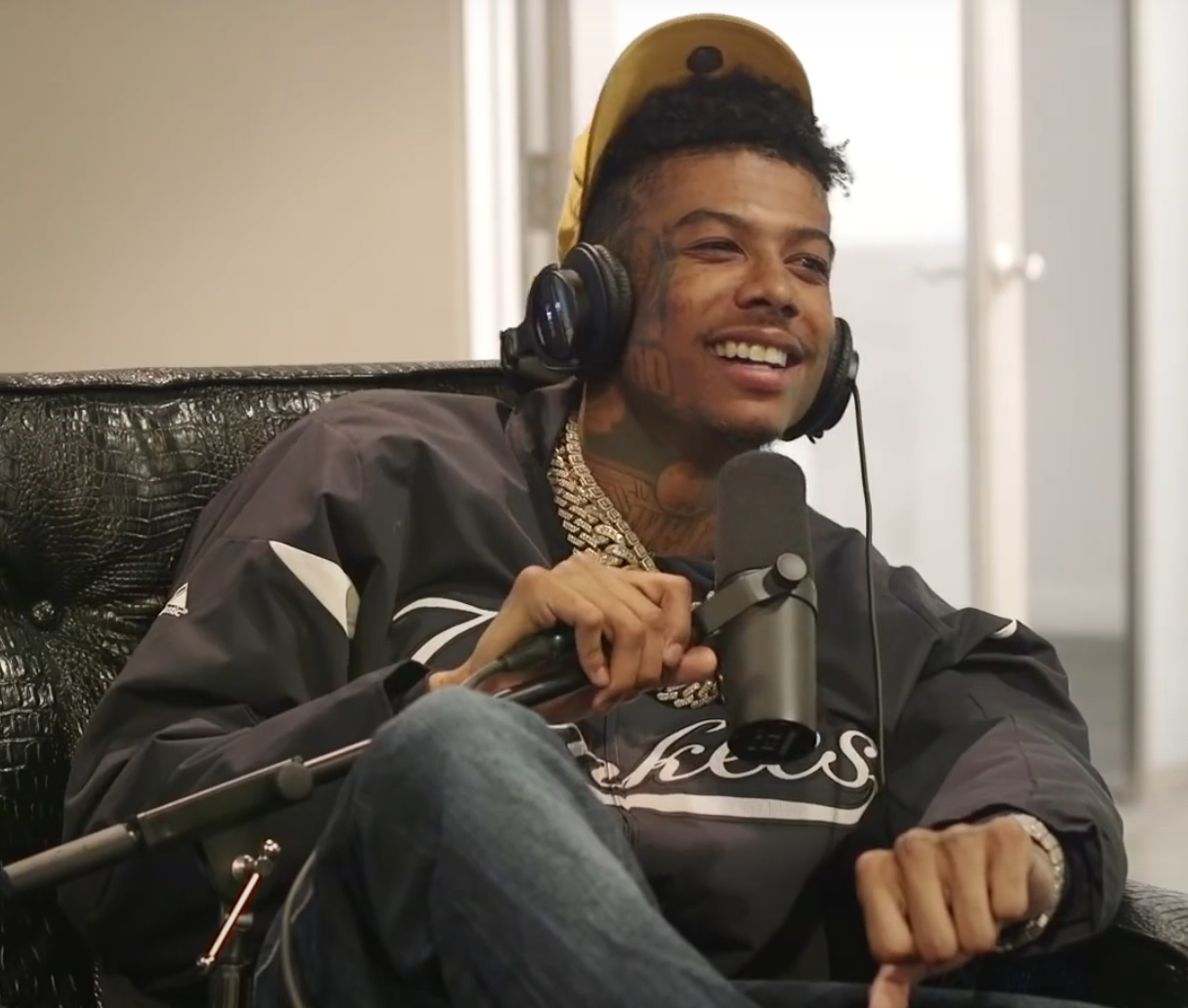
Blueface and Chrisean Rock have had a highly public relationship history. News and entertainment outlets have reported physical confrontations, accusations made by both sides and repeated public disputes. In December 2023, TMZ reported that Rock alleged Blueface punched her during a child hand-off. Blueface gave a different account of the surrounding circumstances. This article does not determine what happened.
Complex has also documented earlier public allegations and occasions where Rock later changed or withdrew parts of an account. That is why The Signal does not turn a clip, post or allegation into a finding of guilt. The more useful question is what we can learn from the behaviours being described and the way audiences react to them.
What should make us look closer?
Arguments happen in relationships. Domestic abuse is broader than ordinary disagreement. UK statutory guidance recognises abusive behaviour including physical or sexual abuse, violent or threatening behaviour, controlling or coercive behaviour, economic abuse and psychological or emotional abuse. Context and patterns matter.
- Is somebody frightened of the other person?
- Can they safely disagree, leave or see friends and family?
- Are threats, humiliation, intimidation or monitoring part of a pattern?
- Has physical violence been alleged or documented?
- Are children seeing, hearing or experiencing the effects of adult conflict?
- Are children, contact arrangements or parenting being pulled into adult retaliation?
The children change the conversation
We cannot responsibly diagnose the effect of public events on any particular child from videos or posts. But we can talk about children generally. In England and Wales, the Domestic Abuse Act 2021 recognises a child as a victim in their own right when the child sees, hears or experiences the effects of domestic abuse and is related to the victim or perpetrator in the way set out by the Act.
The NSPCC says living in a home where domestic abuse happens can seriously affect a child’s mental and physical wellbeing and behaviour, and the effects can continue after adults separate. That does not prove a particular celebrity child has experienced any particular harm. It explains why children should not disappear from the conversation when adult conflict becomes public entertainment.
Social media can make conflict look normal
Online audiences often turn relationship conflict into teams: his side, her side, which woman won? That can hide the more useful question: what behaviour would concern us if the people involved were our friend, sibling or neighbour?
Public conflict also creates a permanent digital record. Children may later encounter clips, arguments and commentary involving their parents. That raises privacy and dignity questions separate from whether any specific incident meets a legal definition of abuse.
Do not turn this into “which woman is the problem?”
A person can behave badly and still experience harmful or abusive behaviour. Women can perpetrate domestic abuse and men can experience it. Two adults both behaving destructively does not make violence, intimidation or coercive behaviour acceptable. The Signal examines behaviour, power, fear and safety rather than handing out a hero-and-villain verdict.
- Would we call the same behaviour “just drama” if the people were not famous?
- Have social media and reality entertainment made serious conflict look normal?
- Can somebody love another person and still behave abusively toward them?
- What might a child learn if fear, humiliation or violence is repeatedly presented alongside love?
- Where should the line be between public entertainment and safeguarding children?
Sources
UK statutory guidance: GOV.UK
Children and domestic abuse: NSPCC
December 2023 reporting: TMZ
Relationship timeline and public accounts: Complex